Technical Ceramics
Printing Alumina, Zirconia & Engineering Ceramics
Additive manufacturing produces dense technical ceramics for wear parts, electronics, and high-temperature components with geometries casting cannot reach.
Additive manufacturing produces dense technical ceramics for wear parts, electronics, and high-temperature components with geometries casting cannot reach.
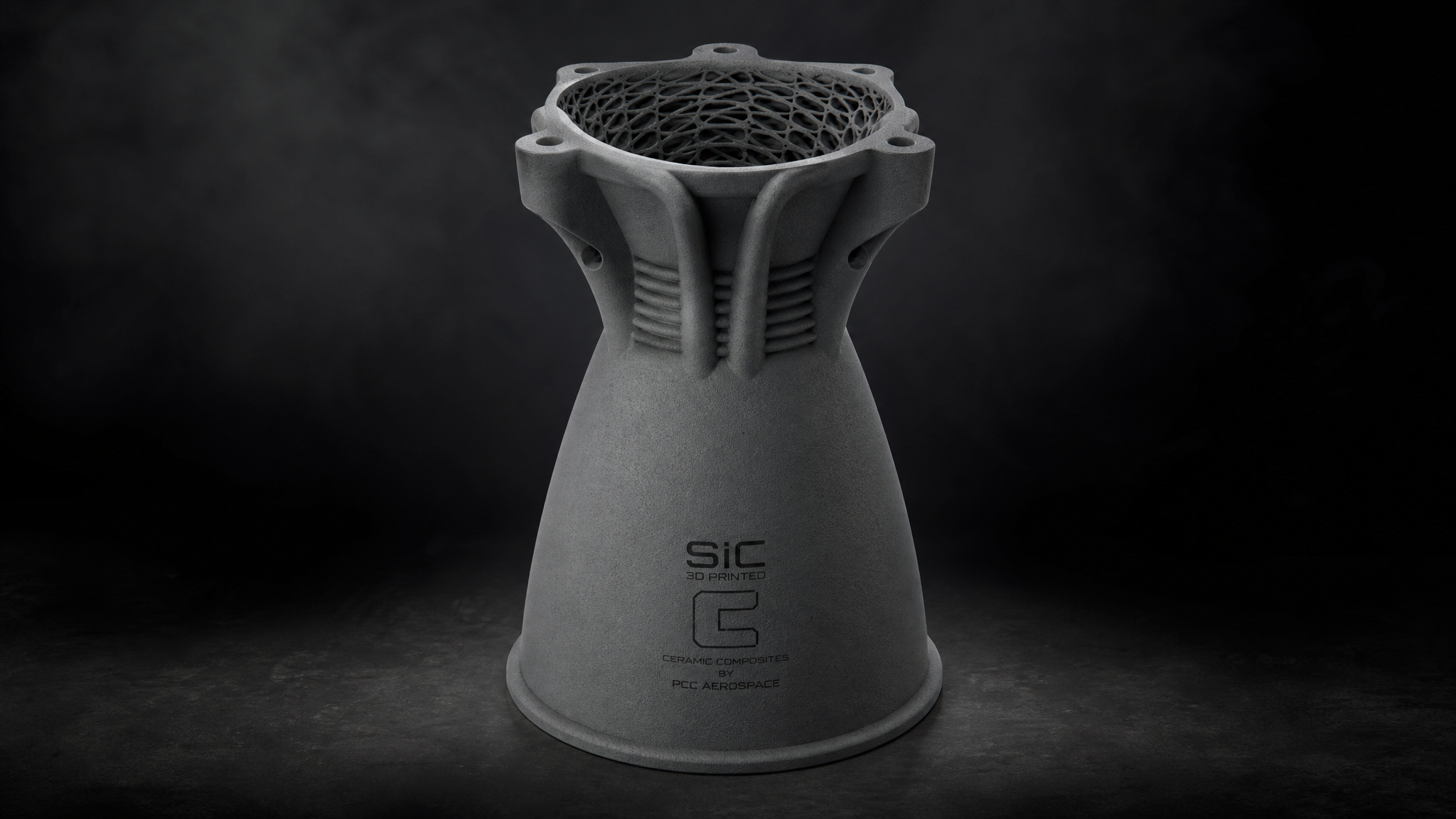
Silicon-carbide combustion parts with printed cooling lattices that survive temperatures casting alloys can't.
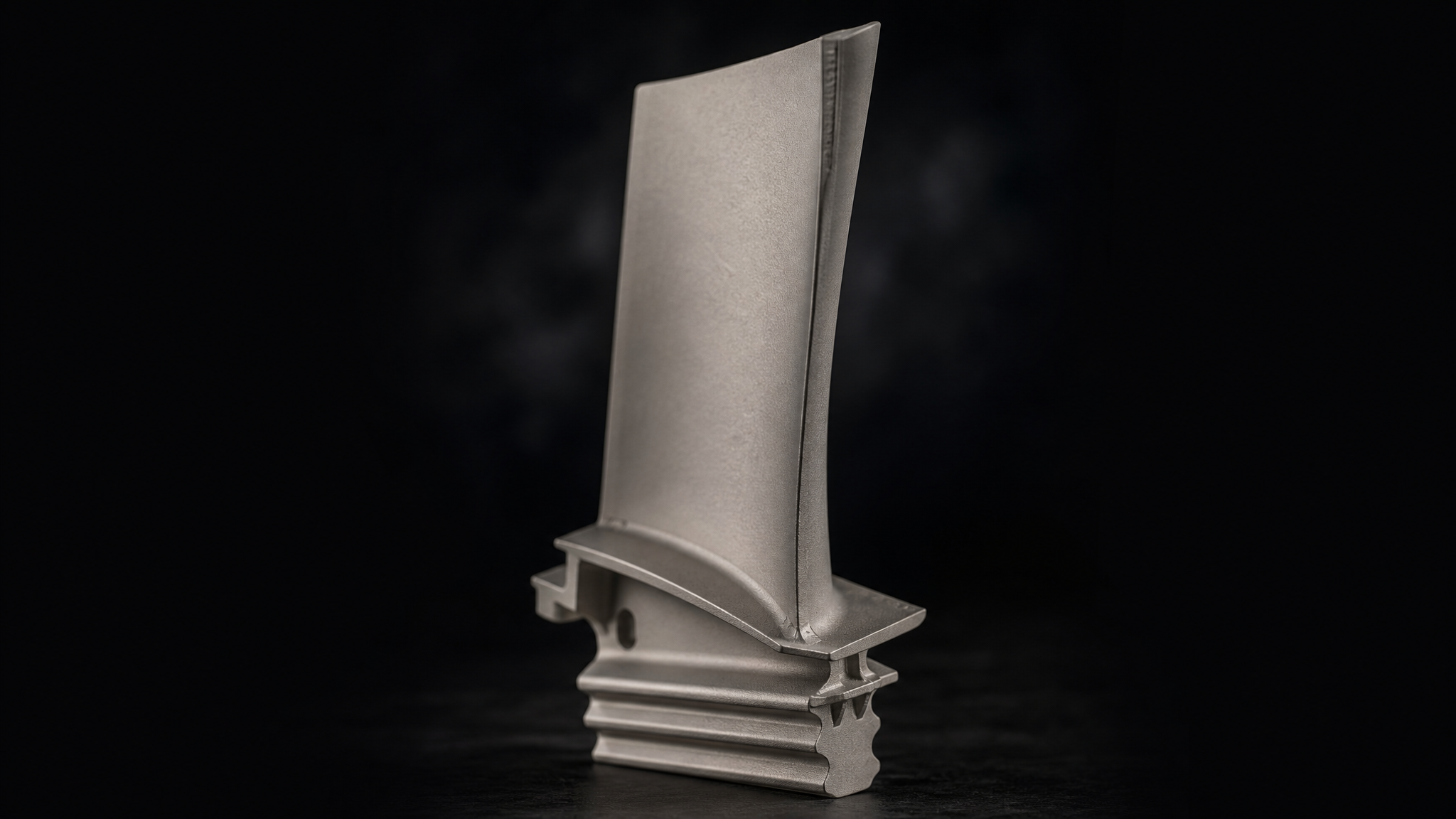
CMC vanes and shrouds printed to near-net shape, then sintered to full density for the hot section.
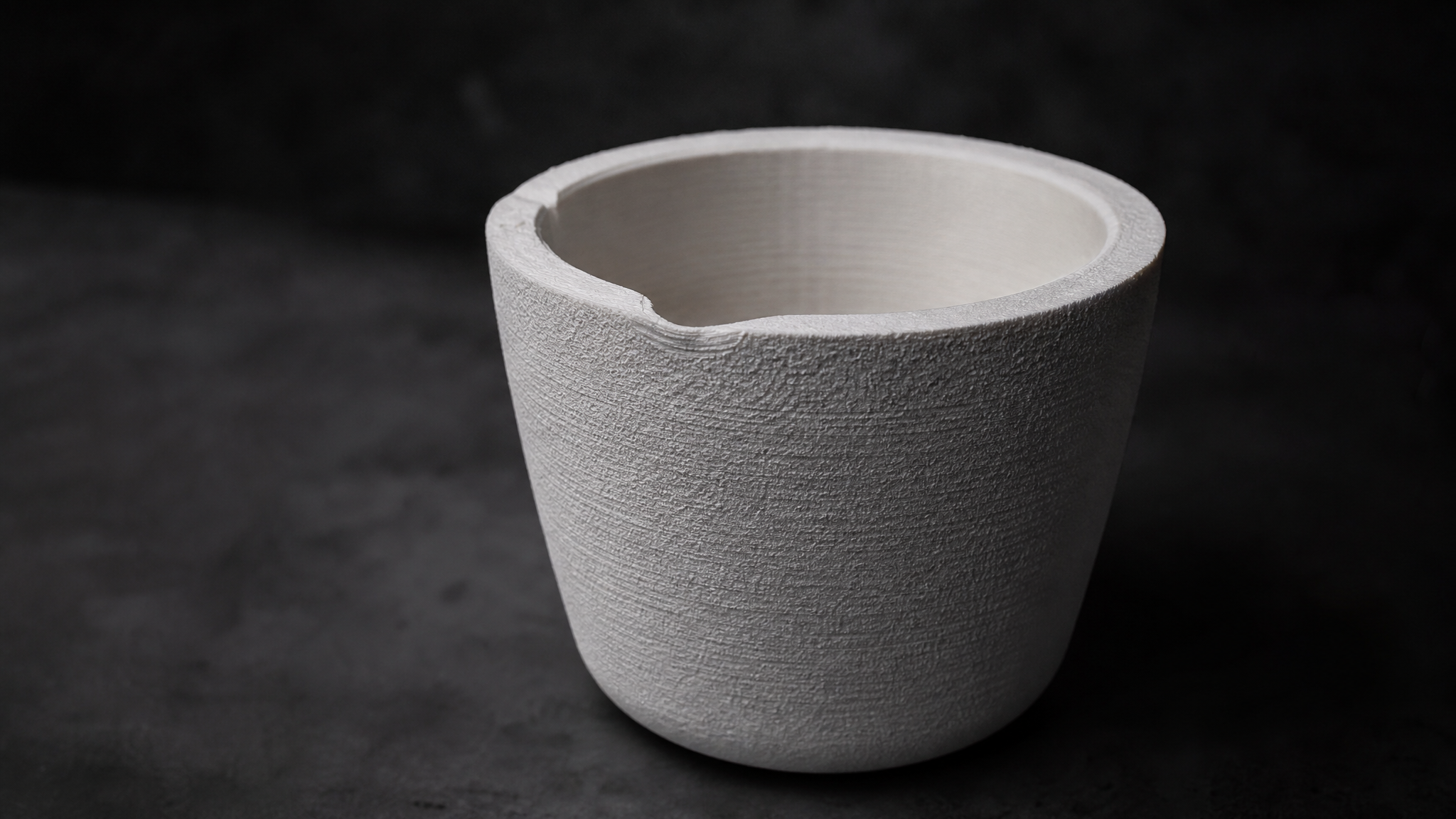
Alumina and zirconia vessels with custom geometries for melt handling and analytical work.
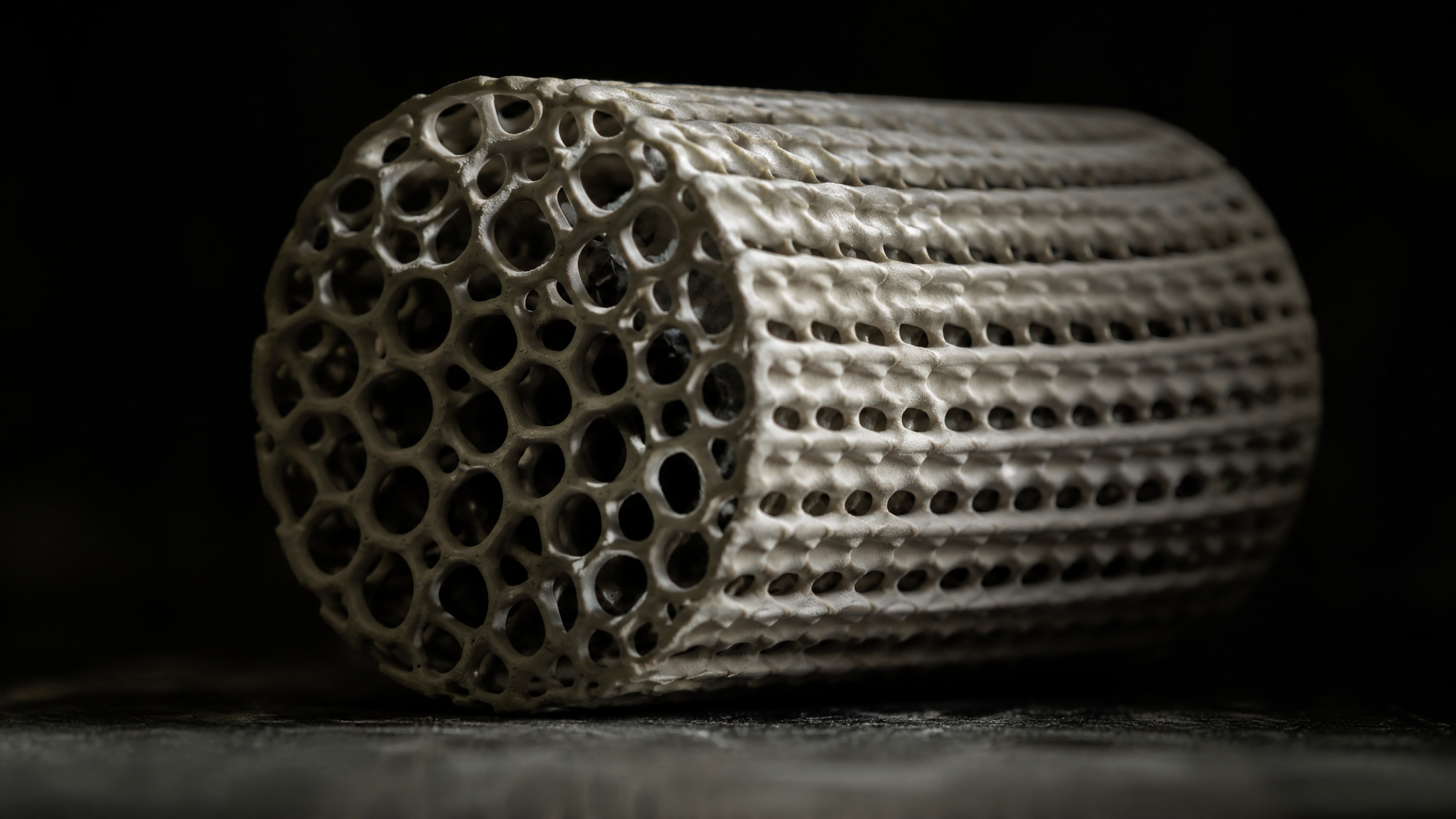
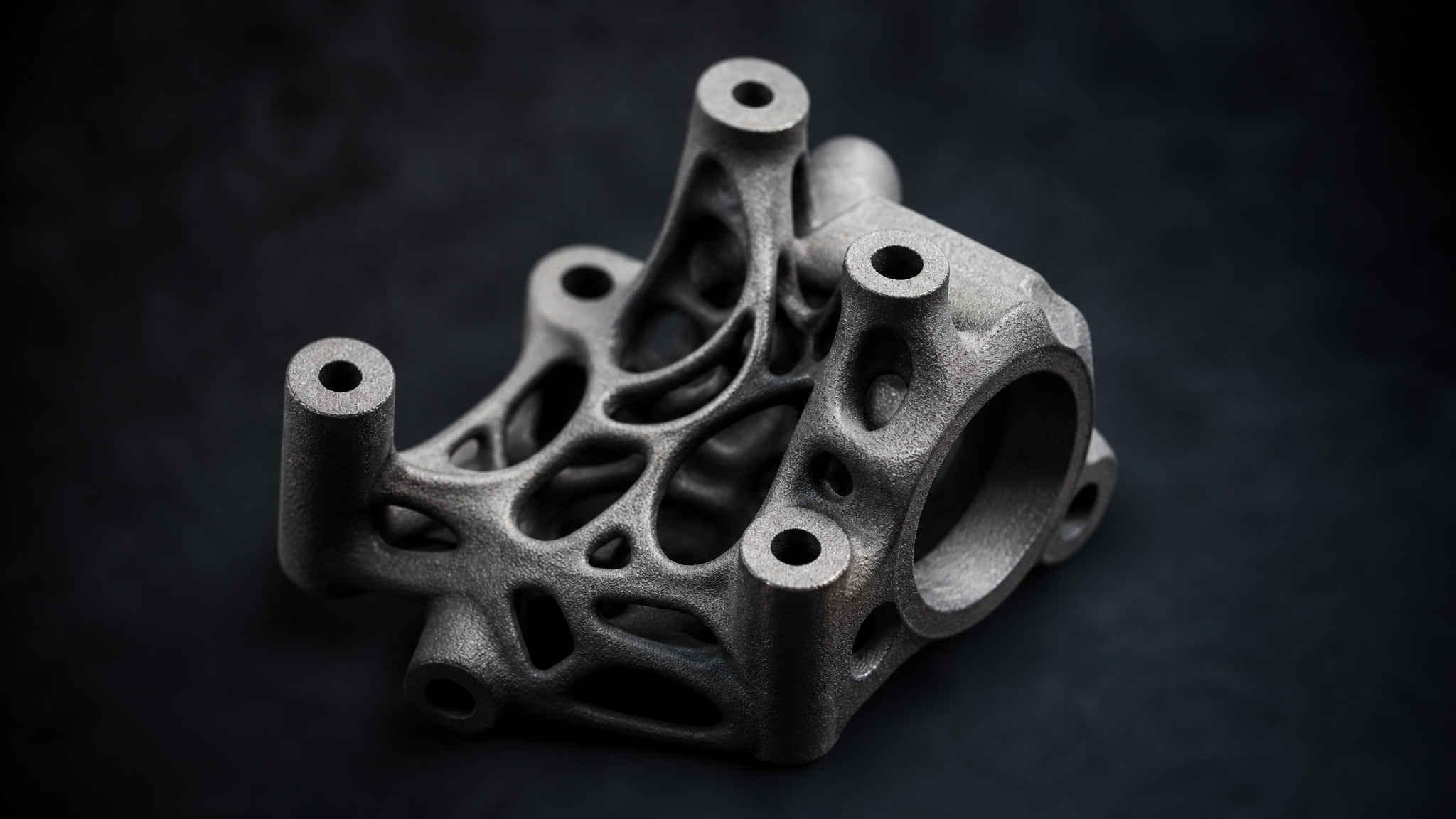
Controlled open-cell lattices for molten-metal filtration, catalysis supports, and gas separation.
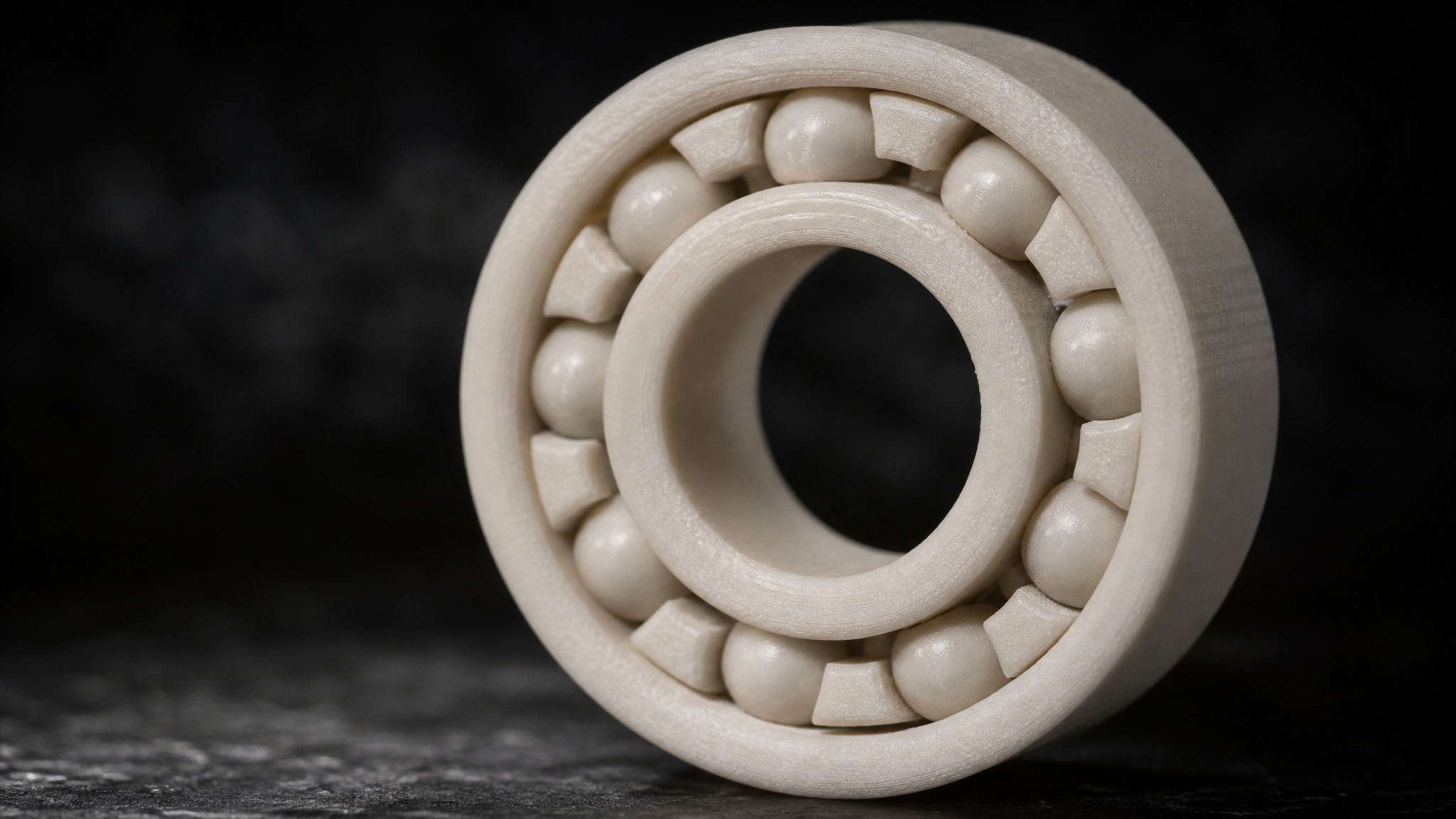
Silicon-nitride and zirconia components where hardness, low friction, and corrosion resistance matter.
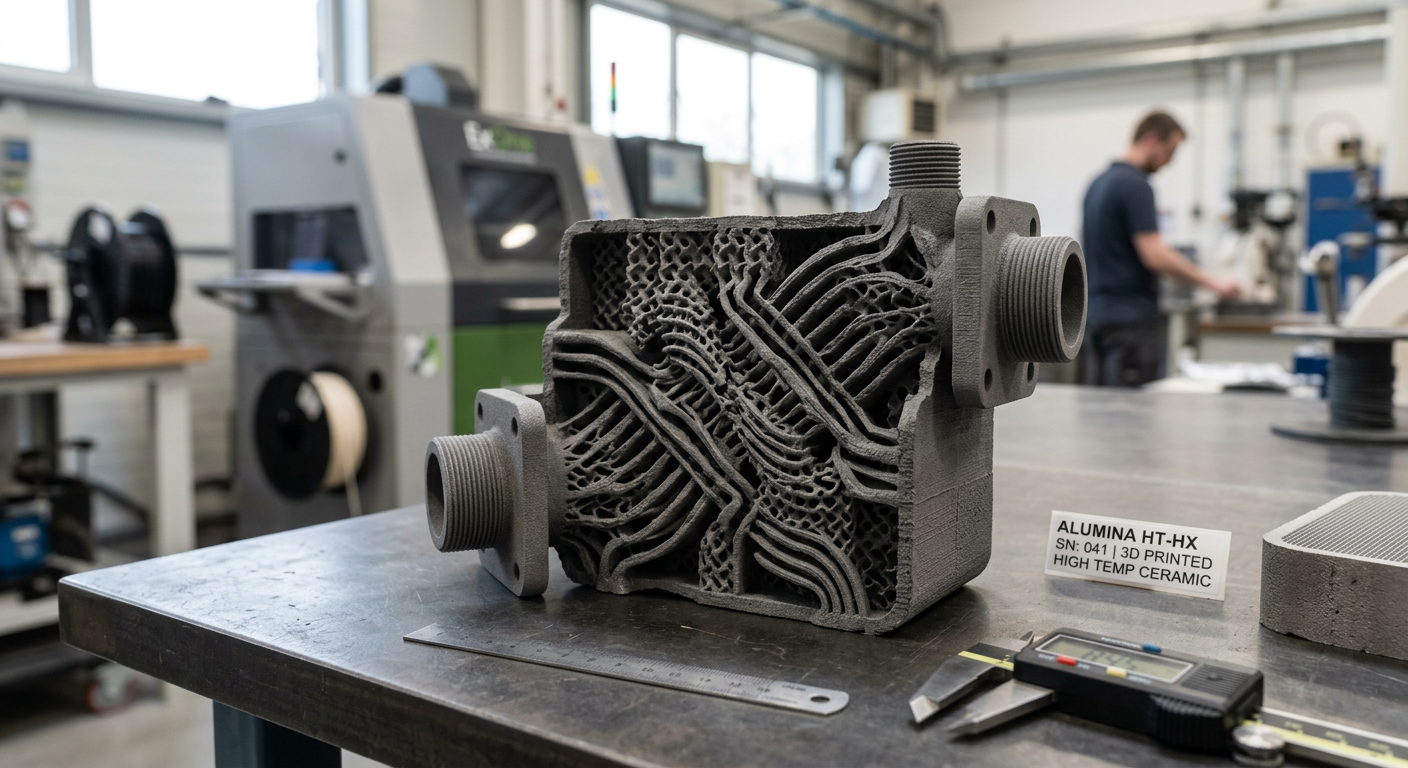
High-surface-area ceramic cores for high-temperature, chemically aggressive thermal transfer.
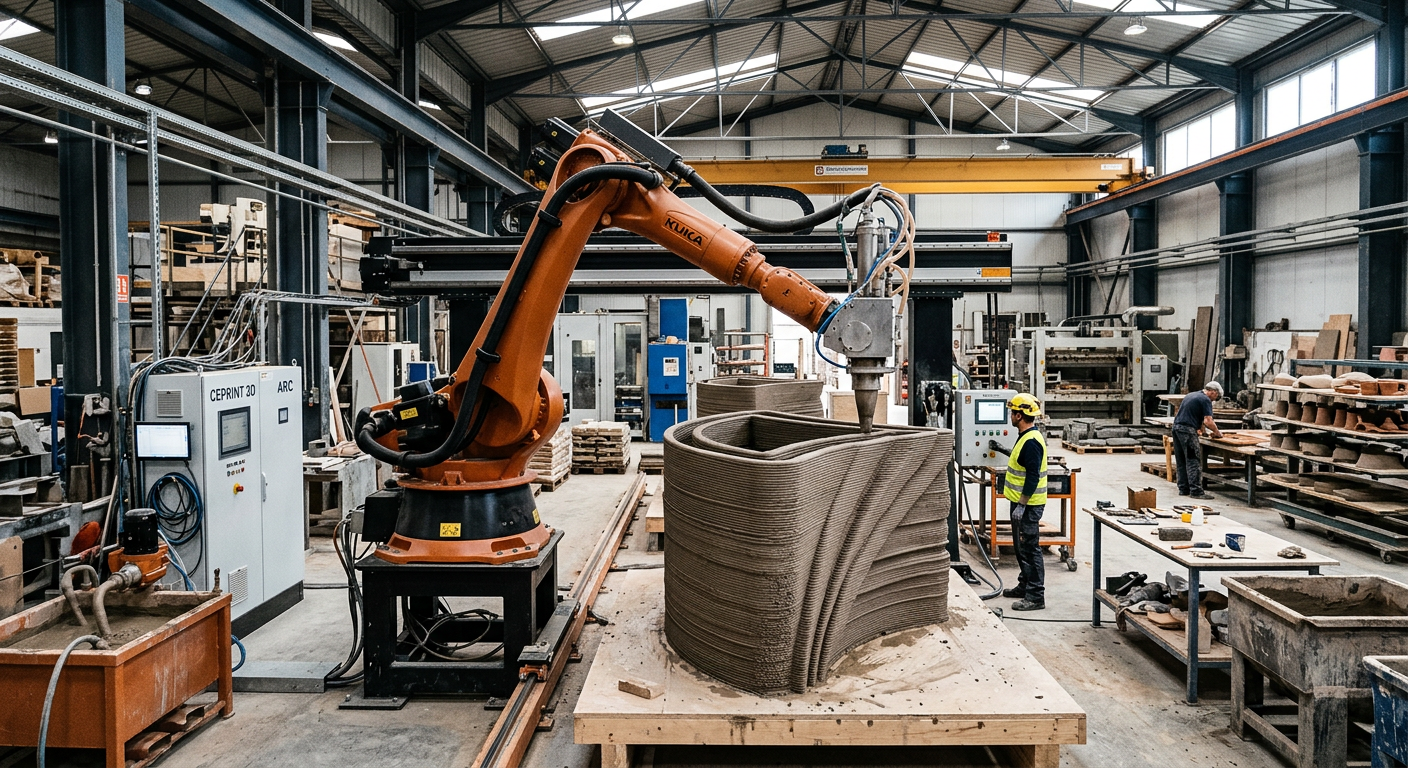
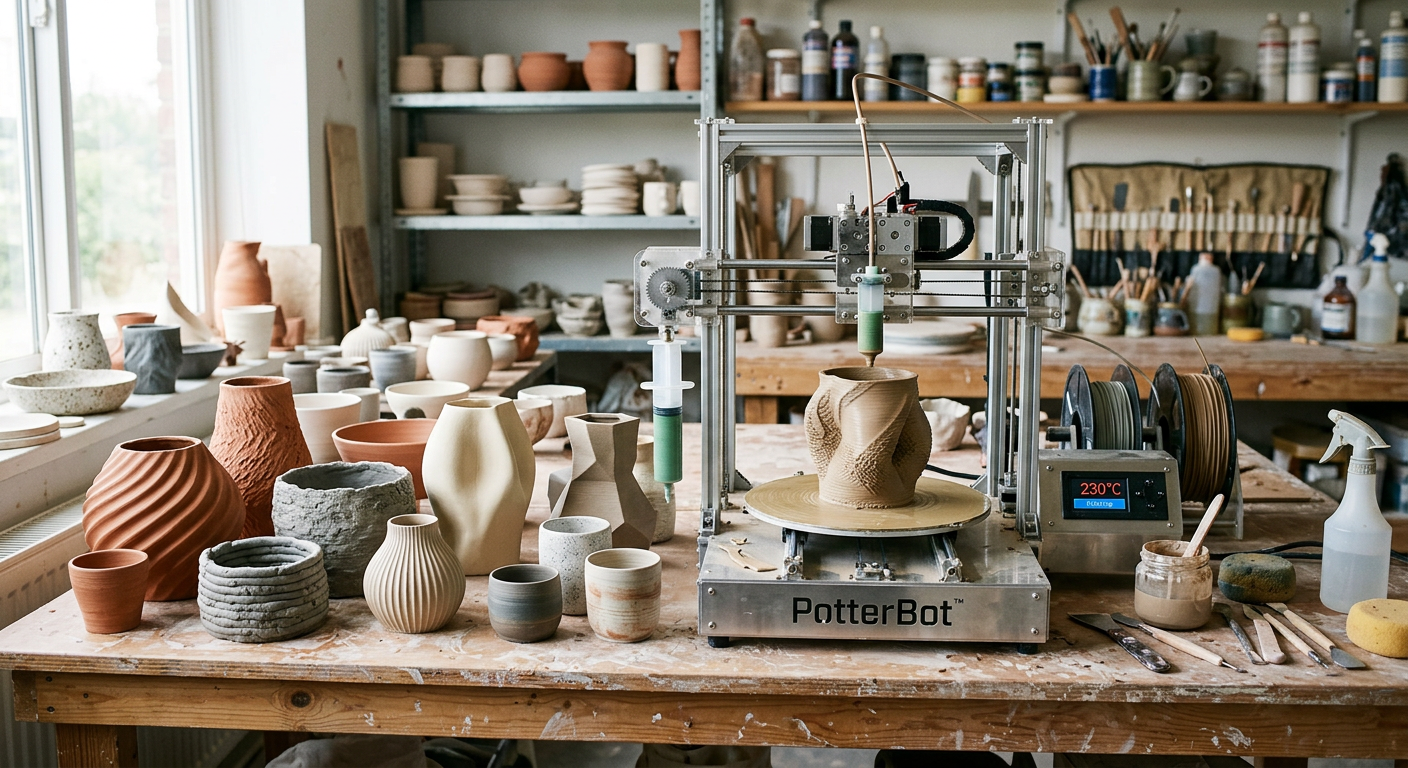
DLP, binder-jet, or paste extrusion forms a green body from ceramic-loaded resin, powder, or slurry.
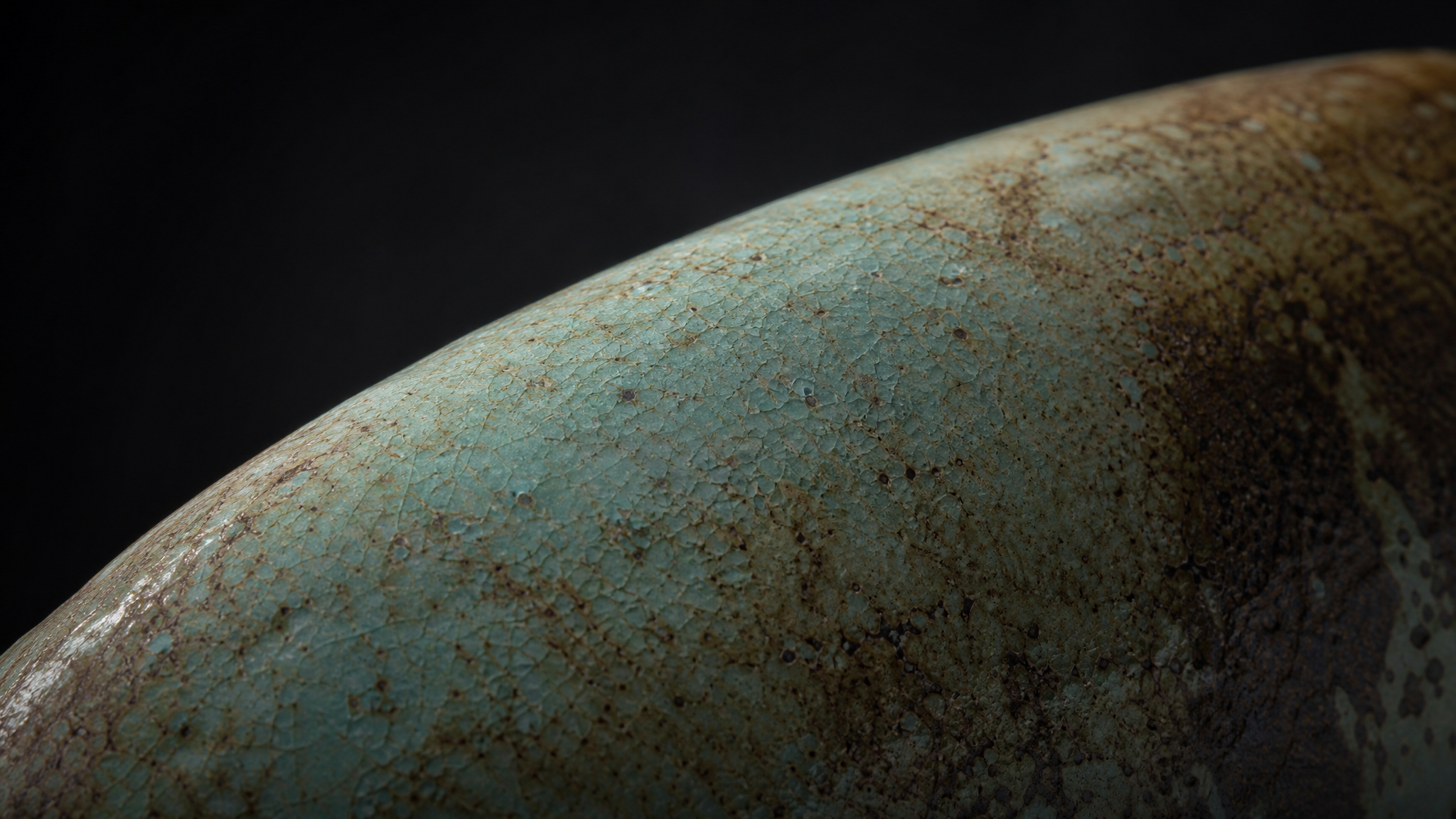
The fragile printed part is cleaned and slowly debound to burn out binders without cracking.
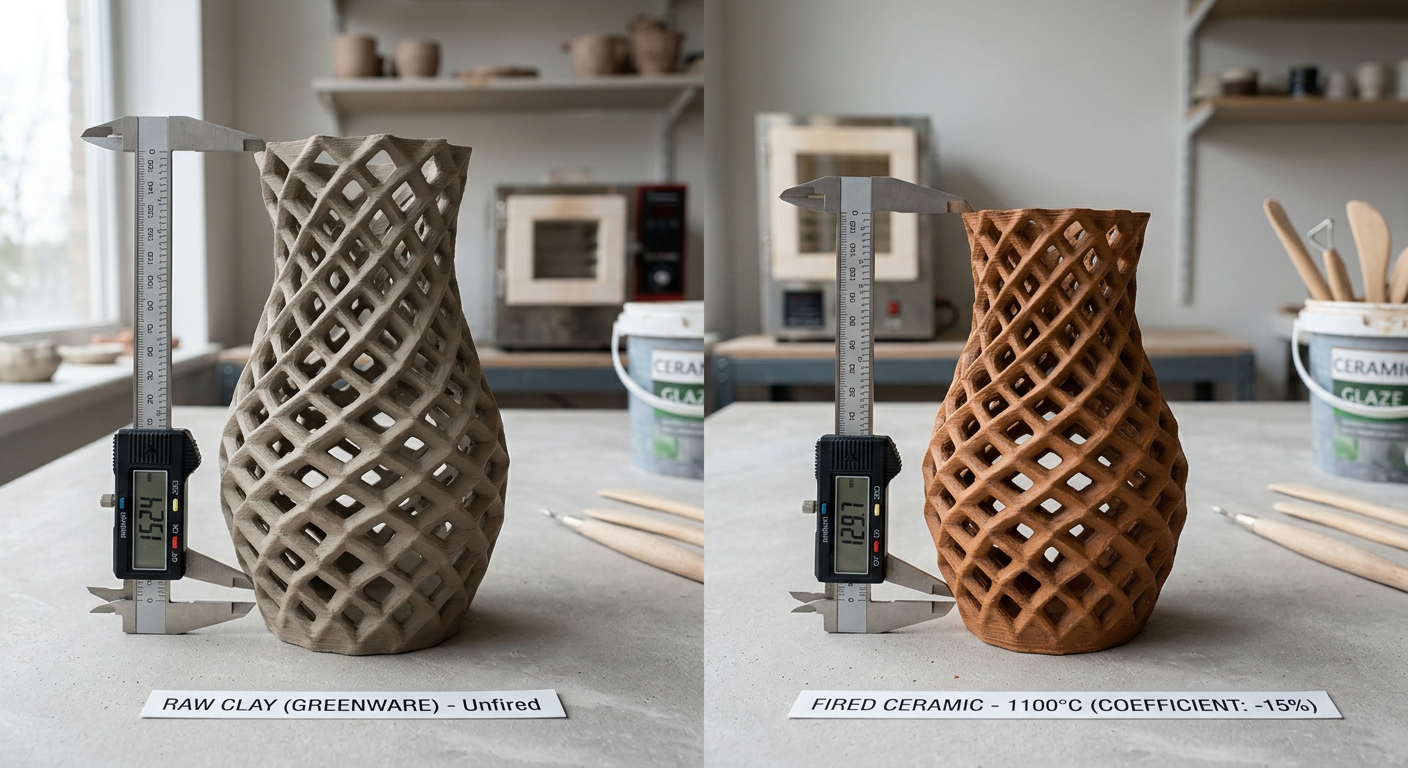
High-temperature firing shrinks the part ~15-20% to near-full density and final ceramic properties.
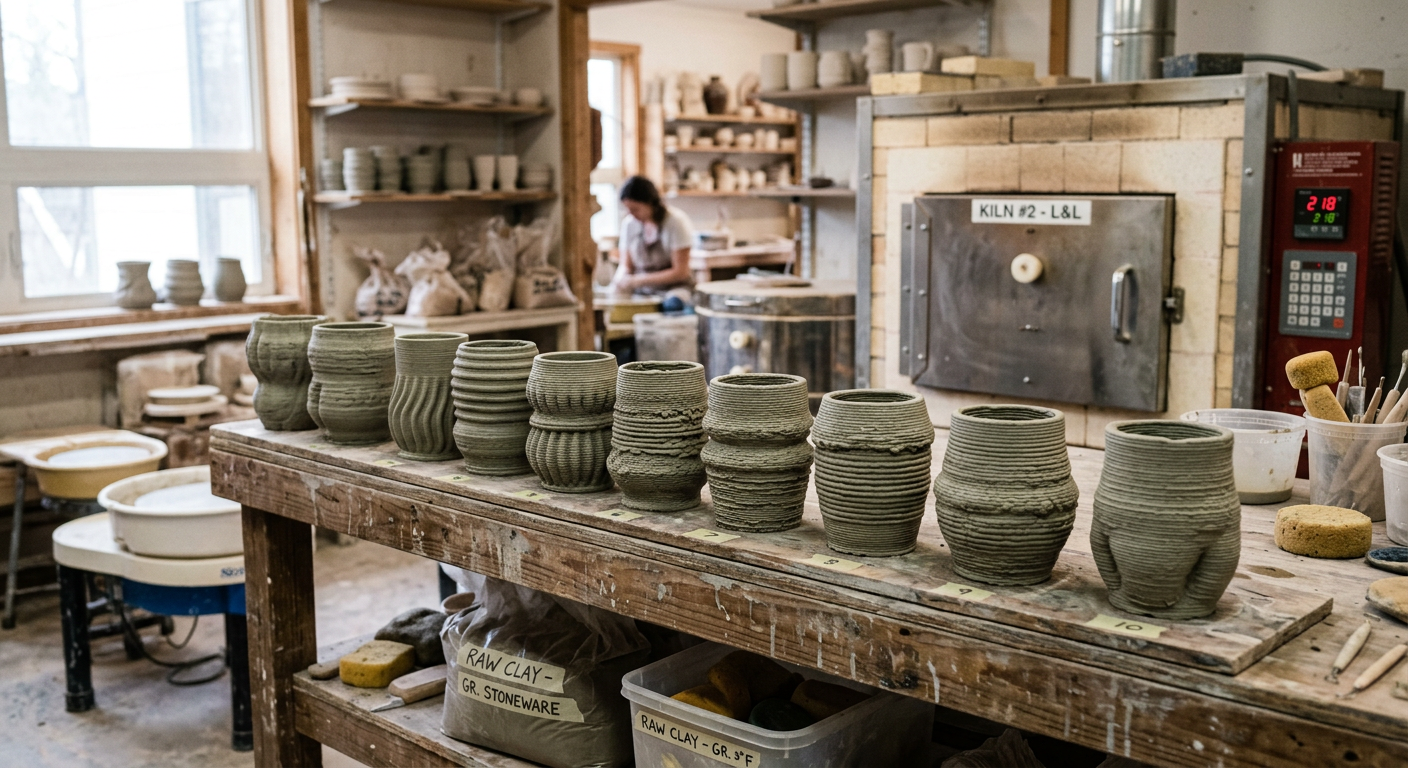
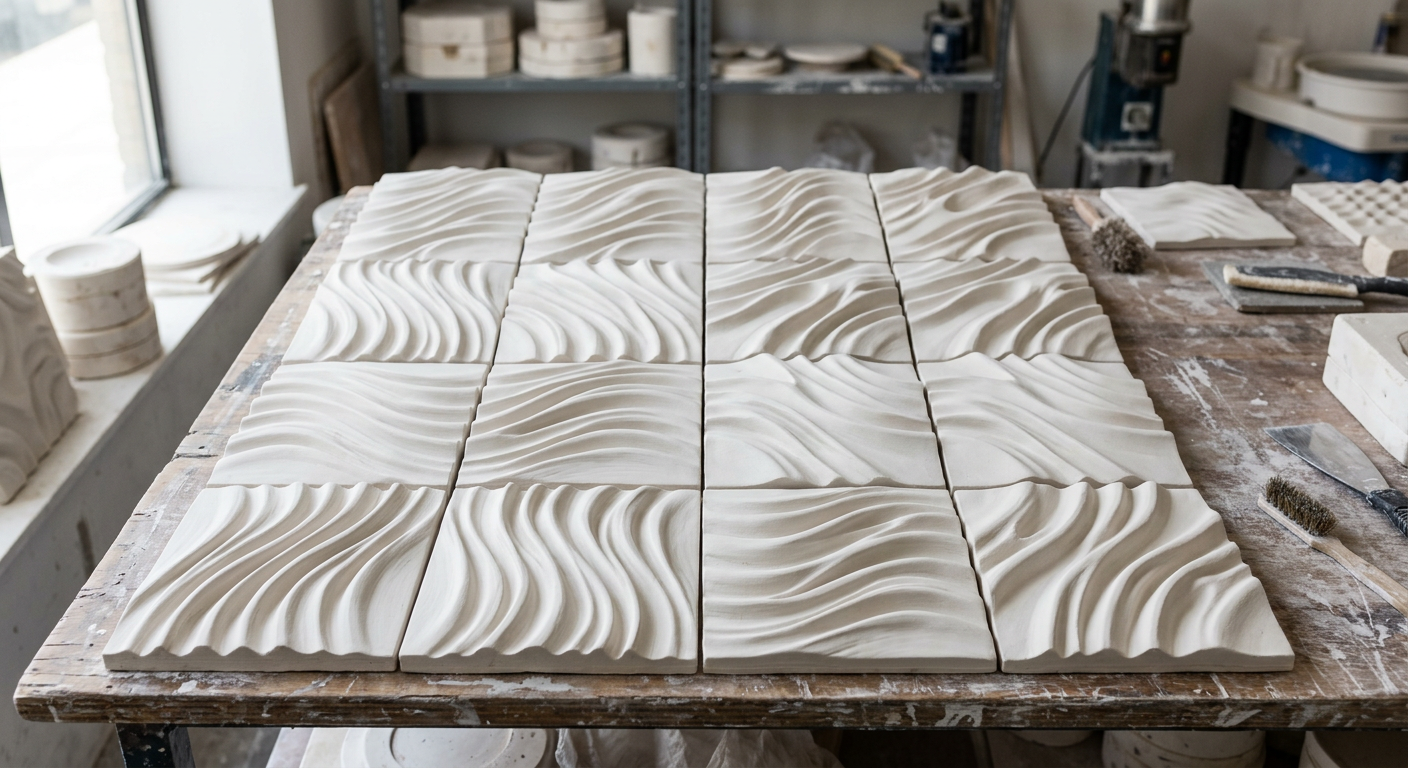
Each ceramic system prints and fires differently. Coverage spans engineering ceramics for demanding technical parts through studio-grade bodies for tableware and architectural work — with the debind and sinter schedules each one needs.